Learn how to tame cat minecraft fast: find cats, use the right fish, earn trust, and keep your new companion safe near your Minecraft base every time.

Learn how to get flint in Minecraft fast with gravel, Fortune, and safe mining routes. This tested guide covers arrows, flint and steel, and fast progress.

Minecraft grass block guide: learn how grass spreads, how to harvest and move it with Silk Touch, why dirt turns back, and the best survival uses in your base.

Learn how to craft paper in Minecraft fast, find sugar cane, build a simple farm, and use paper for maps, books, rockets, and trading in survival right away.

Minecraft cat guide: find, tame, breed, and use cats to protect your base. Learn food, variants, trust range, and the fastest survival route.

This article addresses the common early-game inventory crunch in survival-crafting games, arguing that space should be treated as a decision filter rather than a warehouse. Instead of vacuuming up every random resource, players should prioritize tools, immediate crafting materials, and critical sustain items while leaving low-tier junk on the ground. By following a strict priority list and focusing strictly on the next concrete goal, you can eliminate clutter, speed up progression, and survive the first night smoothly.

This article outlines a strict 60-minute blueprint for launching any new survival-crafting game. Instead of falling into common traps like heavy gathering, overbuilding, or wandering without purpose, players should follow a structured sequence: gathering critical information in the first fifteen minutes, securing a minimum viable overnight kit, establishing a repeatable resource loop, and setting a clear next objective. By prioritizing control over chaos, you ensure a smooth and efficient early-game progression.

Surviving the opening hours of a new survival-crafting game requires immediate focus rather than frantic gathering. Players often struggle by wasting precious time on unessential tasks. By answering seven critical questions—identifying primary threats, prioritizing essential resources, locating temporary shelter, and knowing what to deliberately ignore—players can eliminate panic and avoid costly mistakes. Setting these clear boundaries during the first fifteen minutes establishes a smooth foundation for the rest of the game.
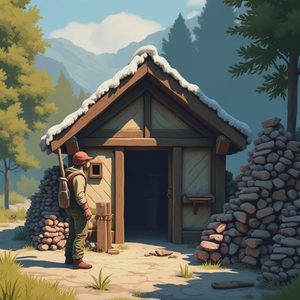
This article reveals the most common early-game trap in survival-crafting games: excessive resource farming before you actually need it. Instead of blindly hoarding materials and wasting valuable time, players should focus on gathering only what is required for the next 30 to 60 minutes. By shifting your mindset toward unlocking essential tools and crafting stations faster, you can streamline your progression, avoid inventory clutter, and survive your crucial first nights with maximum efficiency.
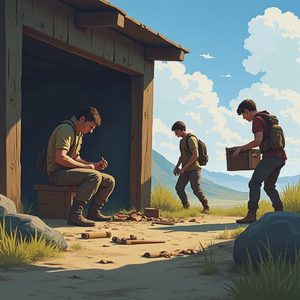
This article compares solo and group opening routes in survival-crafting games, explaining that the core survival decisions remain identical. While solo runs reward personal efficiency and streamlined priorities, group sessions require deliberate role assignment, early shared storage, and coordinated scouting to harness parallel processing. By treating extra players as a way to scale efficiency rather than an excuse to ignore fundamentals, your team can conquer the first night faster and cleaner.