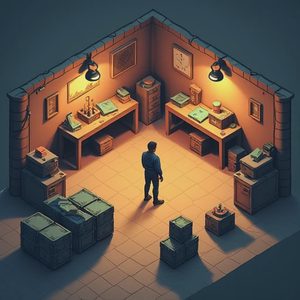
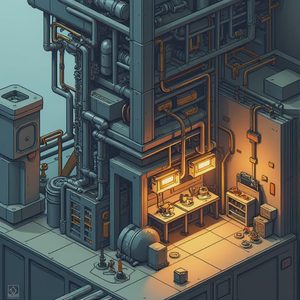
This article explains how to optimize base layout in survival-crafting games by treating stations as a workflow rather than mere furniture. Instead of wasting time walking between distant storage chests, workbenches, and repair stations, players should build a tight, human-sized station triangle near their main entrance. By minimizing travel distance, reducing container interactions, and designing loops backward from your goals, you can eliminate everyday friction and speed up your overall progression.
This article explains when automation in survival-crafting games acts as a powerful multiplier and when it becomes an expensive distraction. Rather than automating early and multiplying base complexity, players should master the manual loop first, ensure input supplies are reliable, and confirm setup costs outweigh the alternative upgrades. By using a simple four-question decision test and timing automation to match true bottlenecks, you can achieve smoother and more efficient progression.
Stop wasting time building giant, permanent fortresses on day one. In survival crafting games, your first base should be a fast, minimal, temporary workshop designed purely for speed and resource loops. This guide outlines how to build a smart starter layout, avoid the "rebuild tax," focus on essential workstations, and smoothly transition to your mid-game base without frustration.
This article reveals the most common early-game trap in survival-crafting games: crafting items because they are available rather than what you actually need. Instead of wasting valuable materials on decorative base-building or advanced gear too early, players should focus on gathering time multipliers and stabilizing their basic survival loop. By prioritizing tool upgrades, basic food, and core crafting stations, you can streamline your progression, avoid inventory clutter, and survive those crucial first nights efficiently.
This article examines how to prevent resource chains in survival-crafting games from turning into an exhausting grind. Instead of building overly complex, automated systems or scattering crafting stations across the map, players should design human-sized loops. By keeping physical distances short, buffering tedious steps, capping production scope early, and designing backward from your next goal, you can maintain low attention costs and keep your gameplay progression smooth and enjoyable.