Three “Must-Have” Survival Tips That Are Usually Bad Advice

Three “Must-Have” Survival Tips That Are Usually Bad Advice

Published on

7

views

This article debunks three of the most common yet harmful pieces of advice in survival-crafting games: building a massive base on night one, stockpiling every resource in sight, and rushing every unlocked weapon upgrade. Instead of following these generic rules that cause slow progression and unnecessary inventory friction, players should focus on minimum viable shelters, targeted gathering, and solving immediate functional bottlenecks to streamline their overall survival run.

Skip the nonsense — here’s the route.

Some tips get repeated so often they start feeling like law.
They’re not. A lot of the most common “must-do” advice in survival-crafting games is either situational, outdated, or actively harmful if you follow it too early or too rigidly.

Here are three I see constantly — and why I usually ignore them.

1. “Always build a full base on night one.”

No.

Night one needs a place that stops you from dying. That’s it. A roof, a door or choke point, and enough protection to survive the primary threat. Turning that into a multi-room base with stations, storage rooms, and defensive walls on the first night is how you burn the most valuable hours of the run on something you’ll probably relocate or rebuild anyway.

A proper base comes after you have basic tools, a stable food loop, and a clearer idea of where the real resource nodes and progression gates are. Early over-building feels productive. It is usually just early commitment to a bad location.

Better version: Secure minimum viable shelter. Expand only after the first real tool and station upgrades are online.
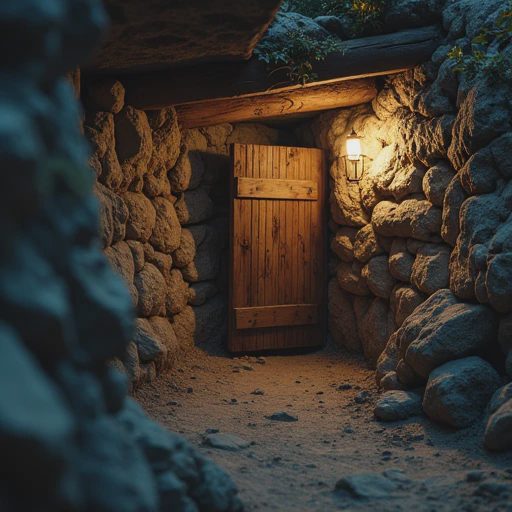
A close-up of a small, minimum viable survival shelter on night one, prioritizing security over wasted massive base building.

2. “Stockpile everything you see.”

This one creates more problems than it solves.

Early inventories are small. Early storage is limited or nonexistent. Filling every slot with wood, stone, fiber, and random plants means you start dropping or ignoring higher-value items the moment they appear. It also delays the crafts that would make gathering faster in the first place.

Most materials are abundant later and scarce only in the opening window if you refuse to focus. The correct early approach is targeted gathering: take what the next 30–60 minutes of crafting actually requires, then stop.

Better version: Farm to the next concrete craft or upgrade. Reassess. Repeat. Hoarding before you have storage and purpose is just inventory damage.

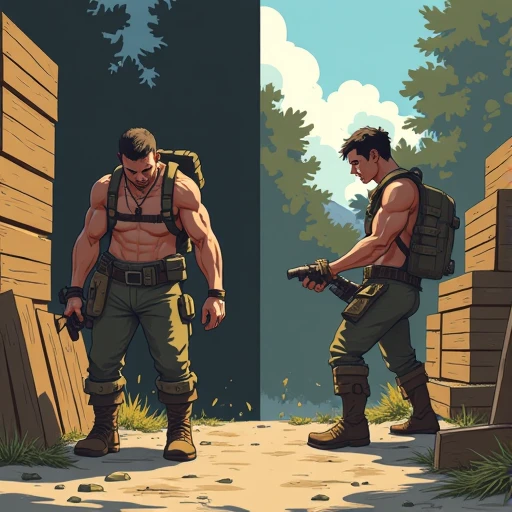
Comparison of a cluttered inventory full of hoarded trash versus a clean, targeted inventory for immediate survival progression.

3. “Craft the best available weapon/tool as soon as it unlocks.”

Sometimes yes. Often no.

New recipes appear. Players rush the highest-damage weapon or the fanciest tool the moment the station allows it. What they miss is the material cost, the durability, the actual time-to-kill improvement, and whether that craft delays a more important multiplier (better gathering tool, core station upgrade, or basic armor against the current environmental threat).

A marginal combat upgrade that eats half your refined materials while your axe is still tier-1 is a net loss. The “best” item is only best if the rest of your kit can support it and if the threat you’re facing actually requires it right now.

Better version: Craft the upgrade that removes your current biggest bottleneck. Sometimes that is the new weapon. Frequently it is the next gathering tool, the food solution, or the resistance layer that stops the environment from killing you on a timer.


These three tips survive because they sound responsible. Build big. Gather more. Gear up. In practice they produce slower runs, earlier rebuilds, and a lot of unnecessary friction.

The filter I use instead is simple:
Does this action make the next hour faster or safer in a measurable way?
If the answer is unclear, it’s usually not a must-have.

Ignore the generic commandments. Look at the specific bottleneck in front of you. Solve that. Everything else can wait.


Last updated:

Share:

Leave a comment

Related Articles

What Years of Survival Game Grinding Taught Me About Fake Difficulty
No Padding |

What Years of Survival Game Grinding Taught Me About Fake Difficulty

This article explores the core difference between real difficulty and fake difficulty in survival-crafting games. While genuine challenges force better decisions, strategic positioning, and adaptation, fake difficulty relies on tedious time-sinks, inventory friction, and health sponges to pad the clock. By learning to distinguish between obstacles that teach and those that merely delay, players can bypass frustrating chores, minimize exposure to padding systems, and protect their valuable gaming time.

24
Patch Day Reality Check: What Actually Matters After the Update
No Padding |

Patch Day Reality Check: What Actually Matters After the Update

This article outlines a practical filter for handling game updates in survival-crafting games without falling into the trap of forum panic. Instead of overreacting to theorycrafting threads or rebuilding your entire strategy on day one, players should focus exclusively on verifying broken core loops, checking critical cost or speed alterations, and running a quick test route. By testing actual impacts and ignoring irrelevant noise, you can protect your playtime and progress smoothly.

25
Why This Blog Exists: Survival Guides Should Save Time, Not Waste It
No Padding |

Why This Blog Exists: Survival Guides Should Save Time, Not Waste It

Most survival-crafting guides are bloated with fluff, lore, and untested advice that waste players' time. This introductory manifesto for Shortcut Shelter establishes a strict editorial standard: every published route must be personally tested and optimized for speed and efficiency. We cut the unnecessary padding to deliver clean decision trees, practical progression routes, and dependable starter strategies, helping U.S. PC and console gamers get past the first night without the usual trial and error.

31
If a Guide Starts with Lore Instead of the Answer, I’m Already Leaving
No Padding |

If a Guide Starts with Lore Instead of the Answer, I’m Already Leaving

This article argues that survival game guides should put direct answers first instead of wasting time with unnecessary lore, fluff, or emotional scene-setting. When players are stuck, they need immediate, practical solutions like crafting recipes or location steps, not history lessons. By cutting out opening throat-clearing and delivering the core route immediately, writers can respect the reader’s time and effort, making their guides genuinely useful for busy gamers.

46