
Skip the nonsense — here’s the route.
Patch notes drop. The forums and Discord light up. Everyone starts theorycrafting the new meta, the broken recipes, the nerfed routes, and the secret new optimal path — usually before anyone has loaded the game.
Most of that noise is useless for the first few hours after an update. Here’s the practical filter I use instead.
What actually matters on patch day
1. Did any of my current core loops break?
Open the game. Check the stations, tools, and resource chains you were actively using. If the main crafting sequence, the primary gathering tool, or the food/sustain loop still functions, you can keep playing. If something critical is disabled or heavily changed, that becomes the only priority until it is understood.

2. Did the update change a major time gate or cost?
Look for alterations to:
Recipe costs or output amounts for key early and mid-game items
Durability, fuel consumption, or processing speed on core stations
Spawn rates or respawn timers on critical resources
Enemy damage, health, or behavior that affects the routes you already run
These are the changes that alter real tempo. Flavor text and minor quality-of-life tweaks do not.
3. Is there a new mandatory or high-value unlock?
Some patches add systems that gate progression or offer a clear power spike. If the new content is required or clearly stronger than existing options, it jumps the queue. If it is optional side content, it can wait.
4. Did any previously safe assumption become dangerous?
A classic example: a biome that was previously manageable with current gear suddenly has new environmental pressure or enemy density. Or a tool that was reliable now breaks twice as fast. These silent shifts are more important than most of the headline features.
What usually does not matter yet
Long theorycrafting threads written by people who have not launched the patch
Minor balance changes to endgame items when you are still in the mid-game
Cosmetic or UI updates
“This changes everything” reactions based on reading numbers without testing the actual feel
New optional systems that do not intersect with your current progression path
You can read those later. Acting on them immediately is how players waste the first session after an update rearranging plans that did not need rearranging.
The short patch-day sequence I follow
Read the official notes once for the mechanical changes. Ignore the marketing language.
Load the save or a test world and verify the loops I actually use.
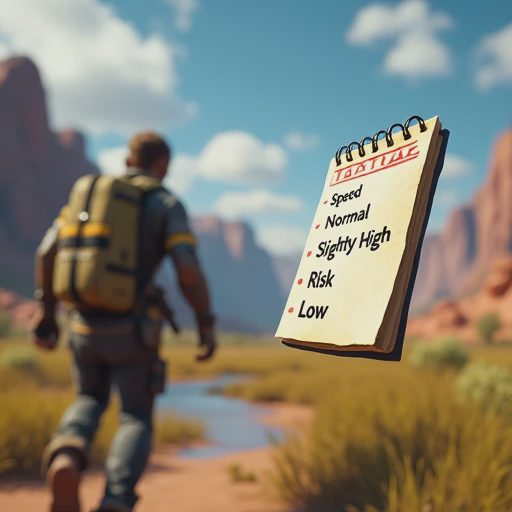
Run one familiar route and note what feels different in practice — speed, cost, risk, inventory pressure.
Update only the parts of my plan that the test proved necessary.
Get back to progressing. Revisit deeper analysis after I have real playtime on the new version.
The mindset
Patches rarely rewrite the entire game in one go. Most of the time they adjust costs, speeds, and risks inside systems that still follow the same logic. The players who lose the least time are the ones who verify the practical impact on their current run instead of rebuilding their entire approach from forum panic.
Test the loops you rely on. Fix what is actually broken or heavily slowed. Ignore the rest until it becomes relevant.
That is the entire patch-day reality check. Everything else is noise.