Skip the nonsense — here’s the route.
Running out of inventory space in the first hour is one of the most common and most preventable early-game slowdowns.
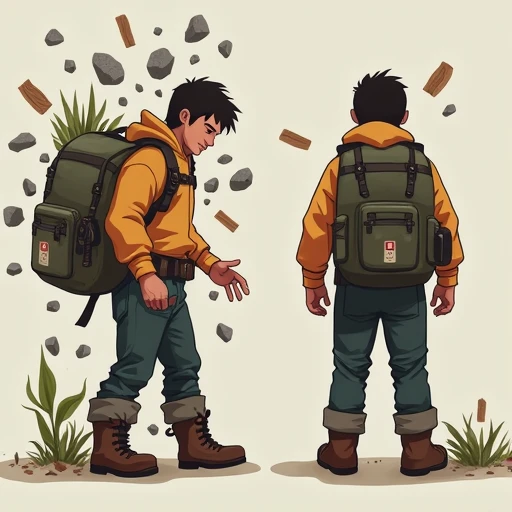
You start picking up everything that isn’t nailed down. Ten minutes later every slot is full of wood, stone, plants, and random junk. Then the actual useful item drops — or you need to pick up a tool upgrade material — and you’re stuck dropping things on the ground like a disorganized raccoon. Time disappears. Focus breaks. Night gets closer.
This is not a storage problem yet. It’s a priority problem.
The early-game inventory rule
If it does not directly serve the next 30–60 minutes of survival or progression, it does not deserve a slot.
Everything else stays on the ground until you have a real storage solution or a clear use for it.
Practical priority order (highest to lowest)
Equipped and immediate-use tools / weapons The axe, pick, knife, or weapon you are actually using right now. These never get dropped for random materials.
Materials required for the next concrete craft Exactly what you need for the upcoming tool upgrade, station, shelter piece, or survival item. Count the recipe cost. Take that amount. Stop.
Critical sustain items Food that will keep you alive through the next night or two, basic healing if the game is already dealing damage, and any environmental protection (torch, basic clothing layer, etc.) you are actively relying on.
Key progression or unlock items Quest items, unique components, or rare drops that gate the next station or area. These get protected slots even if they feel “heavy.”
Overflow of the current primary resource (limited) A small buffer of the main material you’re gathering right now — enough to finish the next craft plus a little margin. Not full stacks of everything.
Everything else Extra wood beyond the immediate plan, random plants, low-tier junk, “maybe later” items. Leave them. Mark the location mentally if they’re truly scarce. Most aren’t.
What this looks like in practice
Before you pick something up, ask:
Do I have a specific craft or need for this in the next hour?
If I take it, what higher-priority item am I now unable to carry?
Is there already a pile of this nearby that I can return to once I have storage?
If the answers are weak, walk past it.
Common early-game inventory mistakes
Filling slots with the first resource you see because “I’ll need it eventually.”
Carrying multiple low-durability tools instead of one good one and the materials to maintain or replace it.
Hoarding food that spoils quickly before you have preservation or a stable supply loop.
Treating every container or corpse as mandatory loot instead of selective loot.
The moment storage appears
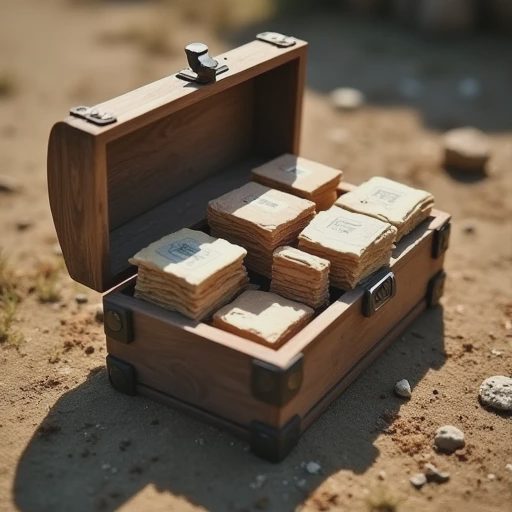
Once you drop your first real chest, box, or storage solution, the rule relaxes — but only slightly. Early storage is still limited. Use it for:
Buffers of the materials you are actively processing
Items that are heavy or awkward to carry but needed soon
A small emergency reserve of food and basic materials
Do not treat the first storage container as permission to vacuum the entire starting area. That just recreates the same problem one step later.
Bottom line
Inventory space in the opening hour is a decision filter, not a warehouse.
Treat every slot as expensive. Fill it with things that move the next concrete goal forward. Leave the rest on the ground.
Players who master this stop feeling inventory-cramped and start feeling focused. The ones who don’t spend the first night rearranging piles instead of progressing.
Next time your pockets are full and you’re still in starter tools, stop gathering. Sort by the priority list above. Drop the bottom half. Then go finish the craft that actually matters.