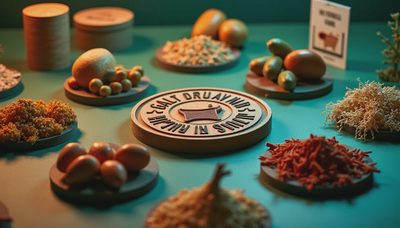
The stardew valley community center is Stardew Valley's first serious progression test. It asks for crops, forage, fish, minerals, artisan goods, and a handful of items that are easy to miss if you play each day without a plan. Skip the nonsense — here's the route: check the bundles early, save one of everything valuable, and build your farm around seasonal deadlines instead of panic-buying seeds on the final day.
This guide covers the standard Community Center route, not the Joja membership path. It includes spoilers for bundle requirements, rewards, and the major unlock sequence. If you want the cleanest first-year attempt, start planning before the first rainy day rather than waiting for the building to become available.
What to do before the bundles unlock
The Community Center becomes accessible after you enter town from the Bus Stop on a sunny day during Spring 5 or later. The Wizard's letter and the introduction quest follow shortly after. You do not need to rush inside immediately, but reading the strange tablet starts the process that makes the bundles visible.
Before that point, your job is simple: establish a small reserve. Keep one or two examples of every crop, forage item, fish, mineral, and quality product you find. Do not sell your only cauliflower because money is tight. That single decision can push a bundle requirement back an entire season, which is a terrible exchange for a few hundred gold.
Upgrade your backpack when possible, but do not empty your wallet for tools that are not helping your current route. A few chests near the farmhouse, fishing rod access, and a basic crop field matter more than an early luxury building. The stardew valley community center rewards preparation, not frantic completion of every request on the notice board.
The most important early habit is checking the traveling merchant on Fridays and Sundays. The cart can sell rare seasonal crops and bundle items, including things you otherwise cannot obtain until a later season. The prices are often unpleasant. Pay them when the purchase prevents a missed year, especially for a red cabbage or a specialty item needed for the Bulletin Board.

Spring and summer priorities
Spring has several easy wins. Grow parsnips, green beans, cauliflower, and potatoes for the Spring Crops Bundle. Plant enough parsnips to produce five gold-quality examples if you want the Quality Crops Bundle later, but do not sacrifice all your fertilizer budget for that goal. Quality crops are a farm-planning problem, not an emergency.
Spring forage completes another bundle with wild horseradish, daffodil, leek, and dandelion. Pick these items whenever you see them and store them. Spring onions near the sewer entrance are useful for energy, but they do not replace the required forage items.
Summer requires blueberries, hot peppers, tomatoes, and melons for the crop section. Plant blueberries early because they continue producing after the first harvest. Melons are especially useful if you are chasing quality crops, while hot peppers and tomatoes also support later cooking and gift options. Keep at least one of each before selling the harvest.
Fishing is where many first-year plans fall apart. Fish depend on season, weather, time, and location, so do not wait until the final week. Carry a fishing rod on rainy days and check the mountain lake, river, and ocean at different times. A cheap tackle upgrade and a few trout soup meals can be more useful than another round of low-value crops.
For the stardew valley community center, summer is also when you should start making basic artisan goods. Preserve jars, mayonnaise machines, and cheese presses turn ordinary farm output into bundle progress. Do not build ten machines immediately. Two or three working machines are enough to begin while you save wood, stone, copper, and oak resin for higher-impact upgrades.
Fall is the deadline season
Fall provides the most forgiving crop window, but it is also where poor planning becomes visible. Grow corn from summer if possible, then add eggplant, pumpkin, and yam for the Fall Crops Bundle. Cranberries generate strong income, but pumpkins are the better choice when you need large crops and quality examples. Plant them early enough to survive the full growth cycle.
The Fall forage bundle uses common items such as common mushroom, wild plum, hazelnut, and blackberry. Check the forest, mountain, and bus areas regularly. A mushroom cave can help with some requirements, but it does not remove the need to collect seasonal forage in the wild.
Animal products unlock another route. A coop gives access to eggs and eventually mayonnaise, while a barn provides milk and cheese. You do not need a full deluxe animal setup for the first completion, but buying one or two animals early gives them time to produce consistently. Keep an eye on hearts, feed, and outdoor access. An unhappy animal is a very expensive decorative object.
The stardew valley community center also asks for items from the Pantry that are not simple crop harvests. Cheese, goat cheese, honey, jelly, pickles, and artisan goods can cover several requirements depending on the bundle layout. Build machines as soon as the recipes become available, then process items overnight instead of leaving them in a chest until winter.
The difficult bundles and how to avoid reruns
The Boiler Room is usually straightforward if you mine regularly. Copper, iron, and gold bars come from furnace processing, while the Geologist's Bundle uses minerals found in the mines. Break geodes at Clint's shop instead of selling them unopened. You need the contents for museum donations and bundle checks, and the small processing fee is worth preserving your options.
The Bulletin Board is the real schedule trap. It can require a large milk, a fiddlehead fern, a poppy, a red cabbage, a duck egg, or other items tied to a specific season or building. Read every requirement as soon as it appears. If an item is unavailable, write down the next season and prepare immediately when it arrives.
Red cabbage is the famous first-year problem because its seeds normally become available later. The traveling merchant is the backup. Fiddlehead ferns come from the Secret Woods during summer, and rabbit's foot can come from a happy rabbit. These are not impossible items; they simply punish players who never inspect the map or animal products.
The stardew valley community center route becomes much easier when you use the calendar. Mark birthdays, festivals, crop harvest dates, and the last day each fish can appear. The game does not require perfect efficiency, but it does punish ignoring time. One missed rainy-day fish can delay an entire room for months.
Completion order and useful rewards
You can complete bundles in any order, and there is no penalty for finishing a room slowly. Still, the Pantry is a strong early target because restoring it repairs the greenhouse. The greenhouse lets you grow crops regardless of season, which changes the farm's economy immediately. The Boiler Room repairs mine carts, making travel between the Bus Stop, town, quarry, and mines much faster.
The Crafts Room repairs the bridge to the quarry. Its reward is useful, but it is less important than the greenhouse or mine carts. The Fish Tank removes the glittering boulder by the river, opening access to additional panning spots. The Bulletin Board grants a permanent friendship boost with town residents, which is helpful but not worth wrecking your farm schedule over.
After all six rooms are finished, the Stardew Valley community ceremony occurs and the Joja Corporation leaves town. The next morning brings a final upgrade event at the abandoned JojaMart. This is progression, not a secret superweapon, so do not delay your farm development expecting the building to transform your entire save.
A clean weekly routine
At the start of each week, check your crops, machines, animals, and the weather forecast. Then inspect the TV for cooking information and fortune before choosing between mining, fishing, and farming. Keep one chest labeled for the stardew valley community center and place every uncertain item there. That chest prevents accidental sales and makes bundle turn-ins painless.
On rainy days, fish for missing seasonal entries or visit the mines. On sunny mornings, handle animals and crops first, then forage before returning home. Visit the traveling merchant twice each week. At the end of every season, count future requirements rather than selling everything. A spare pumpkin, goat cheese, or quality melon can save weeks later.
If you only do three things, do these: save one of everything, track seasonal fish, and plant long-growth crops early. The stardew valley community center is not a reflex challenge. It is a checklist hidden inside a farming game. Treat it like a route, and you can finish most rooms without turning your first year into spreadsheet punishment.