
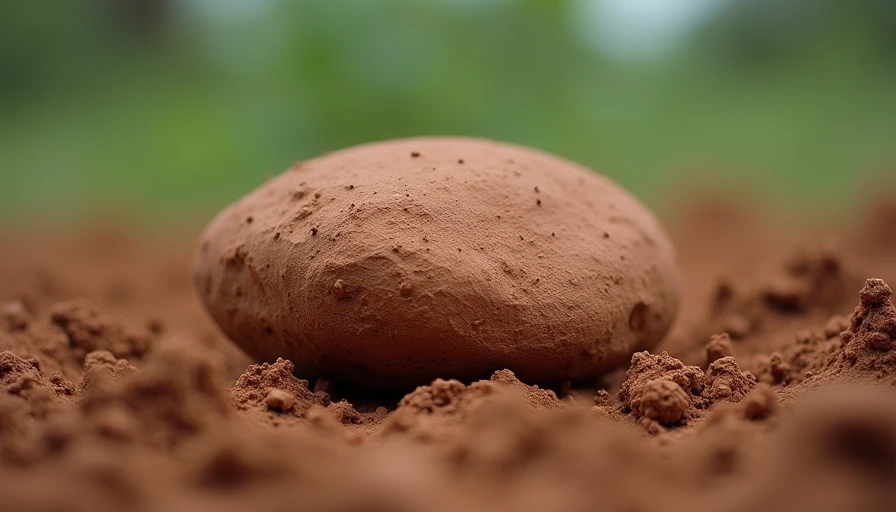
If you need to know how to get clay in Stardew Valley, skip the nonsense: use your hoe on worm-covered artifact spots, especially during Winter, then dig regular soil in areas with strong artifact-spot patterns. Clay is not rare because the game hides it behind a complicated recipe. It is annoying because random drops make players dig in the wrong places and assume the resource has vanished.
Clay is used for the silo, garden pots, retaining soil, quality fertilizer, and several crafting or construction needs. You do not need a massive stockpile on your first morning, but having 10 to 30 pieces ready can prevent an irritating interruption when Robin needs materials or you decide to expand your farm setup.
The fastest way to find clay
The most dependable method is digging artifact spots. These are the small patches of wiggling stems that look like three little worms poking out of the ground. Equip your hoe, stand beside the spot, and till that exact tile. Artifact spots can produce clay along with lost books, seeds, seasonal items, and artifacts.
For early-game farming, search your farm first. It costs no energy to walk across the map, and you can clear weeds, stones, and branches while looking. The mountain area near the mines, the Cindersap Forest, and the town paths are also useful. Check the ground whenever you pass through instead of making a special trip for every single spot.
This is how to get clay in Stardew Valley without wasting an entire day: follow your normal route and dig only when the worms appear. If you need several pieces immediately, use the hoe on a patch of ordinary tillable ground after checking the visible artifact spots. Clay can come from regular tilled soil, but the result is random, so expect some misses.
Winter is the best clay-farming season
Winter makes this job much easier because the snow creates a clean background and many areas become easier to scan. Crop growth is limited, so you have more time to walk around Pelican Town, the forest, the mountain lake, and the railroad area. Artifact spots also tend to stand out better against the pale ground.
Start at your farm, then walk south through the forest and east into town. Continue toward the mountain lake and the mines. You can finish this loop in a few in-game hours while checking forage, fishing bubbles, and dig spots. If you see worms, use the hoe. If you do not, move on instead of attacking every tile like you are excavating a subway tunnel.
When players ask how to get clay in Stardew Valley during the early game, Winter is usually the cleanest answer. There is less visual clutter, fewer crop obligations, and no reason to ignore the map while your fields are resting. Save your spare clay in a chest rather than selling it. The sale price is low, and the material becomes more useful later.
The clay farming trick for large amounts
If you need a lot of clay for a silo, garden pots, or a large crafting project, use a controlled tilling pattern on the farm. Pick a section of soil, preferably an area you plan to clear anyway, and till tiles in a continuous line. Clay can appear from ordinary soil, but the drop is not guaranteed on every tile. This method is less elegant than artifact-spot hunting, but it gives you many attempts quickly.
A practical route is to hoe a strip of roughly 20 to 40 tiles, collect the results, and stop once you have enough. Do not spend your full energy bar chasing a resource that can be gathered naturally over several days. Eat field snacks or forage only if the clay is blocking an immediate upgrade. Otherwise, return to farming, mining, or fishing and check the next day.
There is also a more technical method involving predictable tile patterns and resetting actions, but it is unnecessary for most players. It can work when someone wants exact control over a large clay haul, yet it adds planning overhead and makes a simple resource feel like spreadsheet homework. For a normal save, artifact spots plus occasional farm tilling are faster in real play.
What clay is used for
Clay matters most during the first spring because the silo requires it, along with stone, copper bars, and money. A silo lets you store hay produced by cutting grass, which becomes important before winter or whenever you begin raising animals. Running out of clay while preparing a barn or coop is a classic avoidable mistake.
Clay is also part of garden pots, quality fertilizer, retaining soil, bone mills, and some tailor-related recipes. Not every item is an early priority. The silo deserves attention before decorative projects because animal preparation has a direct effect on your farm’s stability. If you are still deciding between a silo and cosmetic upgrades, build the silo first and admire the improved organization later.
Knowing how to get clay in Stardew Valley helps you plan around these costs. Keep at least 10 pieces in storage once you have your first silo. A reserve of 20 to 30 is more comfortable if you are expanding quickly, especially when you are also saving stone, wood, and copper for buildings and tool upgrades.
Common mistakes that slow the process
The biggest mistake is digging randomly across the entire map without checking artifact spots. Random tilling can produce clay, but it burns energy and leaves you with a damaged-looking path that may need to be repaired later. Search visible worms first, then use ordinary soil only when you need a final few pieces.
Another mistake is expecting clay from every artifact spot. These spots have a random loot table, so finding a book or an artifact instead does not mean your method failed. Keep moving and check the next location. Rainy days are useful because you can spend the day searching without watering crops, though you still need to manage energy if you start extensive tilling.
Players also waste time looking for clay inside the mines. The mines are for stone, ore, geodes, and monster drops. Digging random dirt there is not the dependable route for clay farming. Bring your hoe to the surface locations where soil and artifact spots are easy to access.
A simple clay checklist
On a normal day, check your farm before leaving the house. Walk through the forest and town while completing errands, then inspect the mountain area near the lake and mines. Dig every artifact spot you see. If you still need clay, till a manageable farm patch rather than the entire map.
On a Winter day, make the same loop with extra attention to the railroad and mountain paths. Bring food if you plan to hoe extensively, and keep the clay in a chest when you return home. This route turns how to get clay in Stardew Valley from a frustrating search into a background habit that supports your larger build order.
The short version is simple: use the hoe on worms, search during Winter, till farm soil only when necessary, and save the results for infrastructure. Once you have the silo and a small reserve, clay stops being a bottleneck. Until then, stop selling it. Future-you has enough problems already.