
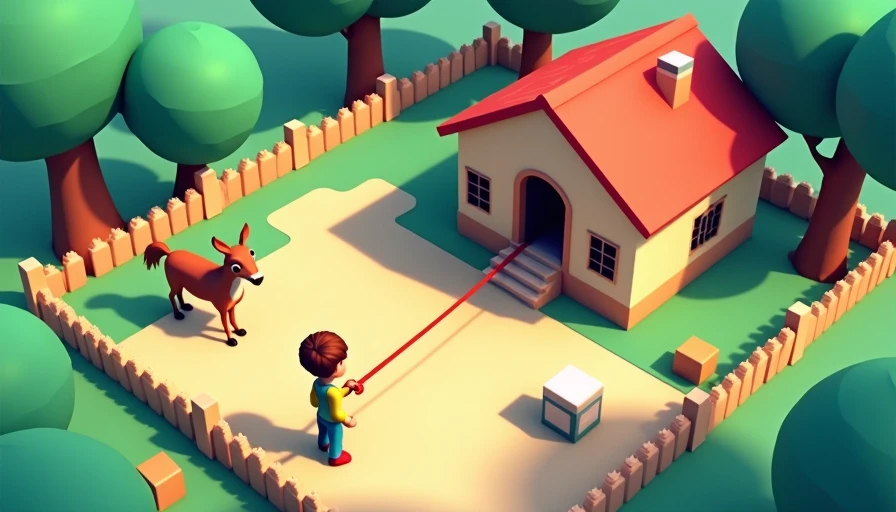
If you are wondering how do you make a lead in minecraft, the short answer is simple: combine four pieces of string with one slimeball. The recipe gives you two leads, which is enough to move animals, tie mobs to fences, or stop your newest horse from wandering into a ravine. You do not need an anvil, iron, or a rare workstation. You only need ordinary loot and one slightly annoying green ingredient.
How do you make a lead in minecraft?
Open a crafting table or your regular two-by-two inventory crafting grid. Place string in the top-left slot, top-middle slot, and middle-left slot. Put the slimeball in the middle slot. Leave the remaining slots empty. When the output appears, move the two leads into your inventory.
The layout looks like this in plain text:
String, string, empty.
String, slimeball, empty.
Empty, empty, empty.
The important detail is the diagonal connection between the string and slimeball. If the recipe does not appear, check that all four string pieces are present and that the slimeball is in the center position. Minecraft recipes are usually forgiving about shaped layouts, but this one is worth placing correctly instead of dragging items around randomly like a raccoon with a crafting table.
This recipe works in current survival versions on both Java and Bedrock. The output is two leads, so one crafting session can handle a pair of animals or give you a spare for an emergency capture.
Finding the materials quickly
String is normally the easy half of the recipe. Kill spiders at night, search dungeon chests, or break cobwebs with a sword. Cobwebs appear in mineshafts and can provide string when broken. A sword is the cleanest tool for this job because it clears cobwebs faster than most other tools. Bring a few torches, since mineshafts are excellent places to find string and equally excellent places to get surrounded by mobs.
Slimeballs are the bottleneck. Slimes spawn in swamp biomes under the right conditions, and they can also appear in underground slime chunks. Swamp hunting is usually faster for a new world because you can search above ground without building a farm. Slimes split into smaller slimes when attacked, which is useful because the smallest versions drop slimeballs and cannot split again.
If you only need one lead, do not build a slime farm immediately. That is a large project for a tiny problem. Search a swamp at night, bring food and a shield, and collect enough slimeballs for the recipe. Save farm construction for later, when sticky pistons, slime blocks, or repeated lead production actually matter.
A practical early-game route
The fastest route begins with a bed, basic tools, and a safe shelter near trees and food. During your first night, collect string from spiders if they spawn nearby, but do not chase mobs across open ground just to complete one recipe. A lead is useful; dying with your entire inventory in a dark field is less useful.
On the next day, look for a swamp, plains, or savanna. These areas commonly contain animals that are worth moving, including cows, sheep, pigs, and horses. If you find a swamp, check for slimes after dark. If you find a mineshaft, collect cobwebs while exploring for rails, iron, and chests. This route lets one trip produce several useful resources instead of sending you on a dedicated scavenger hunt.
When asking how do you make a lead in minecraft, players often focus on the crafting grid and overlook the travel plan. The recipe takes seconds. Gathering the ingredients safely is the real task. Carry a shield, food, torches, and a spare pickaxe before entering a cave or traveling through a swamp.
Using leads without losing your animals
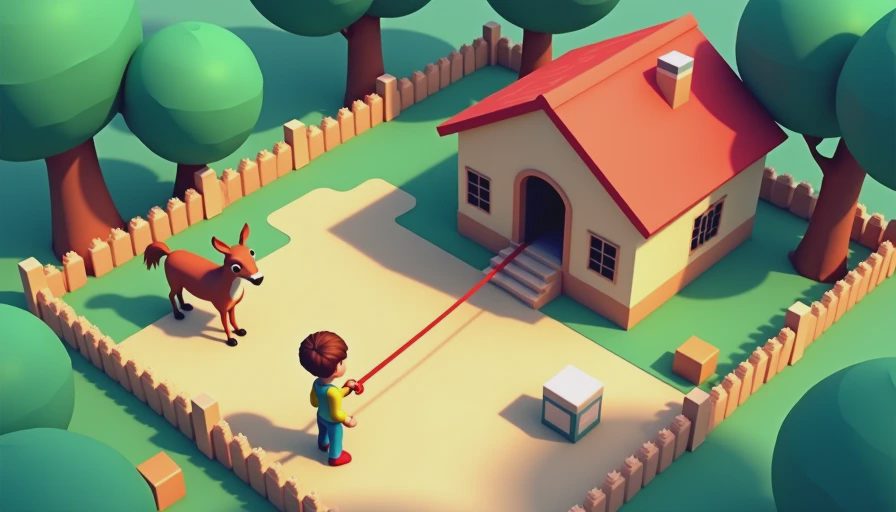
A lead lets you pull a passive mob behind you. Use it on the animal, then walk toward your destination. You can attach the other end to a fence post by using the lead on the fence. The animal remains tied until the lead breaks, the fence connection is removed, or the mob gets far enough away to cause trouble.
Leads are especially useful for horses, llamas, cows, and sheep. Move animals into a fenced pen before breeding them. A pen near your base saves time when you need leather, wool, milk, or food. Put gates where you can reach them easily, and avoid building the enclosure directly beside a cliff, cave entrance, or water drop. Minecraft animals are remarkably talented at finding the one opening you forgot.
Boats can also move animals across long distances, but leads are better for short transfers and uneven terrain. For a horse, bring a lead even after taming it. A tamed horse can still wander when left outside, and finding it later is a pointless side quest.

Common recipe and gameplay problems
If you have four string and one slimeball but cannot craft a lead, first confirm that you are using the standard recipe arrangement. Put the slimeball in the center and form an L shape with three pieces of string around it. The fourth string belongs in the top-middle position. If the output is still missing, clear the grid and place every item again manually.
If you cannot find slimeballs, stop searching random caves. Underground slime spawning depends on specific chunks, so many caves will never produce them. A swamp is generally the better early-game option. Search at night, keep hostile mobs under control, and look for bouncing slimes in open, flat areas. Moonlight is not required for every swamp slime spawn, but brighter nights can improve your visibility and reduce the chance that you walk into a creeper.
Leads can also be obtained without crafting in some situations. Wandering traders arrive with llamas that are already connected by leads. If you separate the trader from the llamas or deal with the trader, the leads can remain behind for collection. This is convenient when it happens, but it is not a dependable progression plan. Waiting around for a wandering trader is slower than gathering string and finding a swamp.
When to craft more than one lead
One lead is enough to relocate a single animal, but two or four are more practical for base building. A small breeding setup may need separate trips for cows, sheep, chickens, and horses. Crafting multiple leads also gives you backups when one connection breaks during a long trip.
The material cost is low once you have access to spiders, mineshafts, and a reliable swamp. Keep a few slimeballs in a labeled chest rather than converting every one immediately. Slimeballs later support sticky pistons, slime blocks, and redstone machines, so early leads should solve an immediate transport problem instead of consuming your entire supply.
If you are still asking how do you make a lead in minecraft, remember the complete answer: four string, one slimeball, the correct L-shaped crafting layout, and a plan for using the result. Craft two leads, bring food and a shield, and move your animals into a secure pen. Skip the nonsense — here is the route.