
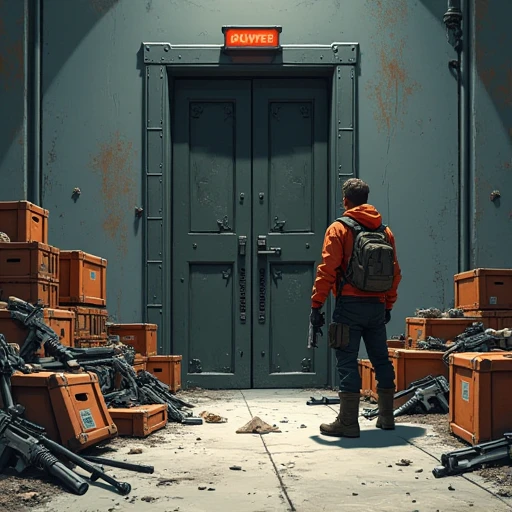
Skip the nonsense — here’s the route.
Most players over-prepare for bosses.
They treat the first real gear check or named fight like a final exam that requires perfect equipment, full stacks of every consumable, and a backup plan for the backup plan. Two hours later they’re still farming “just a bit more” while the actual fight remains unattempted. When they finally walk in, they often discover that half the prep was unnecessary and the real problem was something smaller they never tested.
Minimum viable readiness is the antidote.
What minimum viable readiness actually means
It is the cheapest loadout and supply set that gives you a realistic chance to win or cleanly extract information from the fight — without turning the preparation itself into a longer boss than the boss.
You are not trying to make the fight trivial.
You are trying to make the fight fair enough that skill and execution matter more than whether you spent another forty minutes on the third stack of healing items.
The five-part checklist
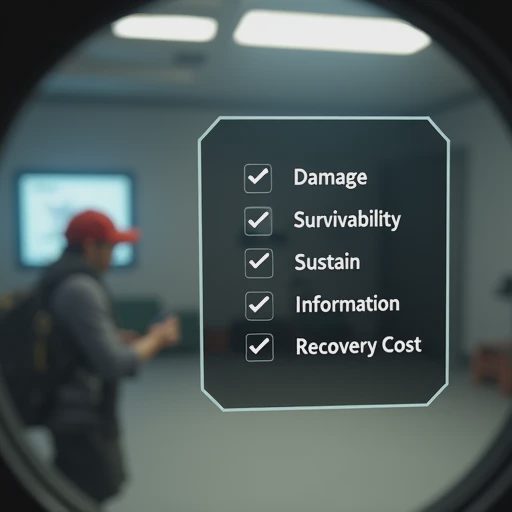
1. Damage requirement
Can your current primary weapon (or tool) realistically exhaust the boss’s health before you run out of sustain or the enrage/timer hits?
If the answer is no, upgrade the damage source. If the answer is “yes, but it will be tight,” that is often acceptable for a first serious attempt.
2. Survival requirement
Can you withstand the boss’s main damage patterns long enough to learn them and still have a margin for one or two mistakes?
This usually means the correct resistance layer, enough healing to cover expected damage, and movement options that let you avoid the telegraphed hits. Perfect mitigation is not required.
3. Sustain for one full attempt
Food, water, ammunition, durability, or whatever the fight consumes — enough for a complete try plus a short retreat if needed.
Not enough for five tries. One solid attempt is the goal of the first prepared push.
4. Information plan
If you have never seen the fight, your first goal is often data, not the kill.
Go in with enough readiness to survive long enough to observe the major phases or attacks, then leave deliberately if the kill is not realistic yet. Dying with zero new information is pure loss. Extracting patterns is progress.
5. Recovery cost
What do you lose if the attempt fails?
If failure means a long run-back, lost rare materials, or a broken key tool with no replacement, raise the readiness bar slightly. If failure is cheap, you can afford to attempt sooner.
How to stop overgrinding
Set a hard limit on prep time once the checklist is green.
Refuse “one more stack” unless a specific item on the checklist is still red.
Treat the first serious attempt as a test of the loadout, not a referendum on your worth as a player.
After the attempt, update only the parts of the kit that actually failed. Do not rebuild the entire loadout out of anxiety.
The practical sequence
Scout or watch enough to know the basic threat types.
Run the five-part checklist against your current gear.
Close only the gaps that are clearly failing.
Attempt.
Adjust based on what actually happened, not what you feared might happen.
Most first bosses fall to this process far faster than they fall to exhaustive farming.

Bottom line
Over-preparation feels responsible. In practice it often delays the only thing that improves your odds: real attempts under realistic conditions.
Build to minimum viable readiness. Test it. Fix the specific failures. Repeat.
That loop beats the “just a little more gear” spiral every time. The boss is the check. The grind is optional.