
If you need to know how to grow sugar cane in minecraft, the short answer is simple: place sugar cane directly beside water on a valid block, then wait. You do not need farmland, bone meal, sunlight, or a complicated redstone machine. The useful part is learning where to place it, how much to plant, and when automation is worth the effort.
Sugar cane grows beside water on sand, dirt, grass, podzol, mud, and several similar blocks. It grows up to three blocks tall naturally. Break the upper two blocks when the plant reaches full height, leave the bottom block standing, and it will grow again without replanting. That single detail turns a cheap starter crop into a reliable paper and sugar supply.
The basic setup
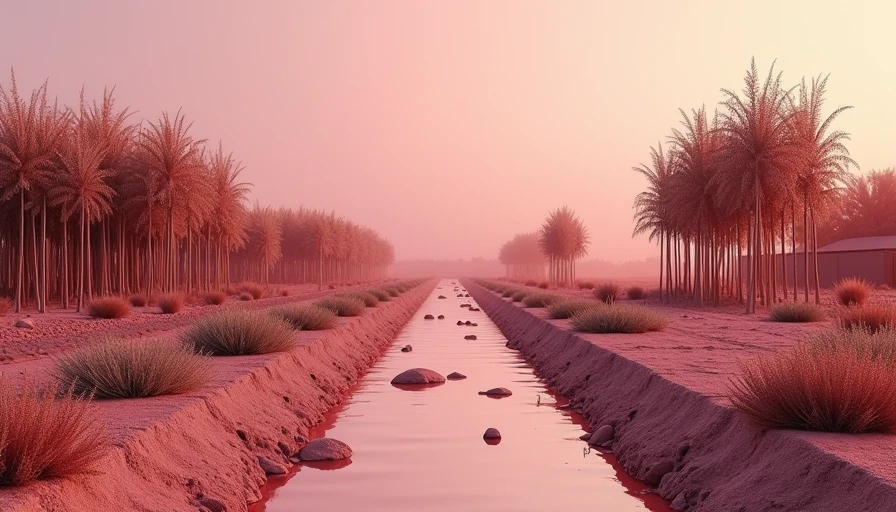
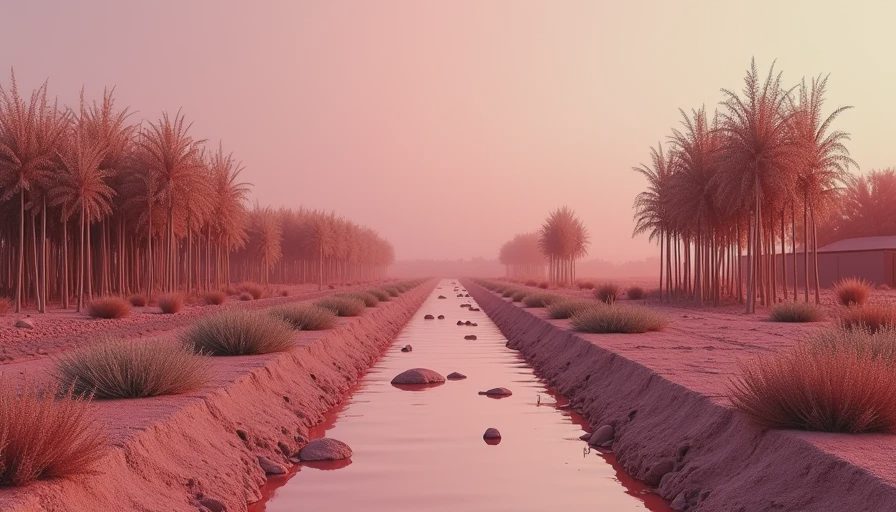
Start by finding a flat water edge near your base. A riverbank, pond, or manually dug trench works equally well. Place a row of dirt or sand next to the water, then plant sugar cane on the blocks touching the water. The water does not need to flow over the planting block; it only needs to be directly adjacent. A one-block-wide water trench is enough.
For an early survival setup, build a row six to ten blocks long. That produces enough cane for maps, books, bookshelves, and a few rockets once you reach the Nether. Planting a huge field on day one is unnecessary. Sugar cane takes time to grow, and a massive row just creates something else to walk past while wondering why you have not built a bed yet.
The cleanest layout alternates water and planting rows. Dig a one-block-wide trench, fill it with water, and place dirt or sand along one side. If you want more capacity, put another planting row on the opposite side of the same trench. This uses one water channel for two rows and keeps harvesting straightforward.
How sugar cane growth actually works
Understanding how to grow sugar cane in minecraft means understanding its limits. Sugar cane grows upward one block at a time, but it stops at three blocks tall under normal conditions. Light level does not prevent growth, so underground farms are completely valid. Water must remain beside the bottom block, though. If the water is removed, the plant breaks instead of continuing to grow.
Random ticks control natural crop growth, so the plant will not grow on a fixed timer. Staying near the farm gives the area a chance to process growth. If you travel thousands of blocks away, the farm usually will not keep producing while unloaded. This is why a compact sugar cane field beside your storage room is more useful than a giant remote plantation.
Bone meal is not a dependable shortcut for sugar cane in standard survival play. Do not waste a chest of bones trying to force a faster harvest. Plant more cane instead. A longer row increases your production far more reliably and costs almost nothing beyond a few dirt blocks and a bucket of water.
When harvesting manually, punch the second and third blocks while leaving the bottom block intact. The dropped cane lands on nearby blocks or in the water, so use a collection trench or walk along the row immediately afterward. If you break the bottom block by accident, simply plant one of the drops again beside the water.
Building a simple automatic farm
Once you have iron, redstone, pistons, and observers, you can automate the harvest. Place sugar cane in a row beside water, then position pistons so they face the second block of each plant. Put observers behind or above the plants so they detect the cane reaching the trigger height. Connect the observers to the pistons with redstone dust or a compact circuit.
When the cane grows, the observer sends a signal, the pistons break the upper section, and the drops fall into water. Use hoppers beneath the collection channel to move items into a chest. A hopper minecart can collect items under a larger field, but that adds cost and maintenance. For a first farm, a hopper and chest are enough.
A practical beginner design uses six to eight plants, one piston per plant, and a shared water channel leading to one collection point. It produces paper while you explore, mine, or trade with villagers. The machine does not need to be tall, pretty, or hidden behind polished deepslate. It needs to collect drops without launching them into the grass.
This is the efficient route for how to grow sugar cane in minecraft when you expect to use paper constantly. If you only need a few books, skip automation. Redstone is valuable early, and spending it on a crop you harvest in thirty seconds is not clever engineering. It is just building for the screenshot.
Common mistakes that waste time
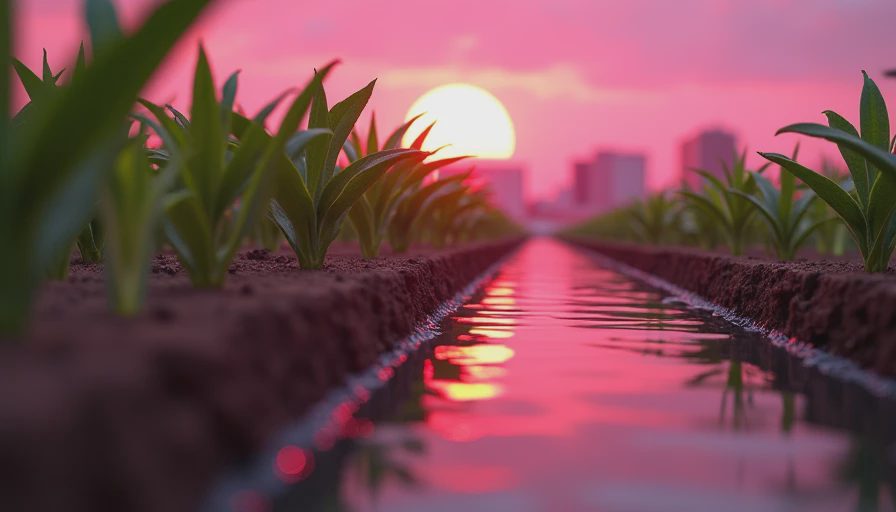
The most common mistake when learning how to grow sugar cane in minecraft is placing the cane too far from water. A block diagonally beside water does not count. Check the bottom planting block, not the top of the plant. If it is not touching water on one side, the cane will not stay planted.
Another mistake is using farmland. Sugar cane does not need tilled soil, and farmland is easier to trample. Dirt or sand is cheaper and more durable for this job. Players also sometimes cover the water with a full block to make a walkway, then wonder why the plants stop working. Use slabs, lily pads, or a path beside the trench without blocking the water connection.
Do not harvest the bottom block unless you are moving the farm. Breaking the whole plant removes your production base and forces you to replant. In an automatic design, make sure pistons strike above the bottom block and that the collection channel is enclosed. Test one plant before copying the design across twenty blocks.
What sugar cane is used for
Sugar cane becomes paper when crafted in a row of three. Paper supports maps, books, bookshelves, and firework rockets. Books require leather as well, so pair the farm with cows if you are preparing an enchanting room. Cartographers also trade paper for emeralds, making a steady field useful even after you have more books than you can store.
The key lesson in how to grow sugar cane in minecraft is that scale should follow demand. A ten-block manual row handles ordinary exploration and early enchanting. A sixteen- or twenty-four-plant automatic farm makes sense for frequent map use, villager trading, or elytra rockets. Build the smallest version that solves the current problem, then expand when the chest proves you need it.
If you only do three things, do these: plant beside water, leave the bottom block standing, and build near your active base. Skip the nonsense. Sugar cane is one of Minecraft's easiest renewable resources, and a tidy farm turns it into paper whenever you need it.